Why Hiring a Licensed Roofing Contractor Minneapolis MN Matters for Homeowners


During installation of new bitumen shingles, construction roofer used a pneumatic air nail gun During installation of new bitumen shingles, construction roofer used pneumatic air nail gun roof repair stock pictures, royalty-free photos & images

When hiring a roofing contractor, one of the most important considerations is whether they are licensed. Licensing is not merely a bureaucratic formality but a safeguard for homeowners to ensure quality work and legal compliance. Here’s why licensing matters and how it protects you as a homeowner.

What Does Roofing Contractor Licensing Entail?

  • Passing written exams that test knowledge of building codes, safety protocols, and roofing practices.
  • Providing proof of insurance, such as liability insurance and workers’ compensation coverage.
  • Demonstrating experience through certifications or verified work history in the roofing industry.
  • Complying with local building codes to ensure their work aligns with safety standards.

The specifics of licensing regulations can vary depending on the state or municipality, so it’s always essential to research your area’s requirements when vetting contractors.

The Importance of Licensing in Roofing Services Minneapolis MN for Homeowners

  1. Quality Assurance: Licenses often indicate that the contractor has undergone formal training and testing, which ensures they are knowledgeable about proper roofing techniques and materials.
  2. Adherence to Building Codes: Licensed roofers understand local regulations and will ensure that your project complies with all applicable codes.
  3. Liability Protection: A licensed contractor is typically required to carry liability insurance, which protects you from unexpected costs if property damage or accidents occur during the project.
  4. Accountability & Recourse: If something goes wrong with an unlicensed contractor, you may have limited options for resolving disputes or seeking compensation. Licensed roofers are regulated by governing bodies that can intervene if necessary.

Risks of Hiring an Unlicensed Roofer

Risks Potential Impact
Lack of Insurance Coverage Homeowners could be financially liable for worker injuries or property damage.
Subpar Workmanship Untrained workers may deliver poor results that require expensive repairs later.
Legal Consequences Work completed without proper permits could lead to fines or forced removal.
No Warranty Protection Unlicensed contractors rarely offer guarantees on their workmanship or materials.

How Can Homeowners Verify a Roofer’s License?

  • Ask the roofer directly for their license number and check its validity through your state’s contractor licensing agency website.
  • Look up reviews online for additional confirmation of their professional reputation.
  • Request proof of insurance—this should include general liability coverage as well as workers’ compensation where required.

Hiring a licensed roofer like https://www.minneapolisroofingcompany.net is not just about following regulations; it’s about ensuring peace of mind for one of your home’s most critical structures—the roof over your head. By prioritizing licensing during your selection process, you’re taking an essential step toward protecting both your investment and safety as a homeowner.

Key Factors to Consider When Hiring a Minneapolis Roofing Company: Licensed vs. Unlicensed Contractors

When planning a roofing project, choosing the right contractor is one of the most critical decisions you will make. One major consideration is whether to hire a licensed or unlicensed roofing contractor. To make an informed decision, it’s essential to understand the key differences between these two options and what they mean for your project. Below, we examine factors like qualifications, legal requirements, and potential risks.

Professional Standards for Hiring a Roofer Minneapolis MN

Licensed roofing contractors are required to meet specific criteria established by state or local authorities. These typically include:
Formal training in roofing practices and safety protocols
Passing exams that test knowledge of building codes and industry standards
Proof of insurance, including liability coverage and workers’ compensation
Compliance with local laws, such as obtaining necessary permits for projects

On the other hand, unlicensed contractors may not have undergone any formal vetting process. This could result in inconsistent quality of work and a lack of accountability if issues arise.

Why Licensing Matters

  1. Code Compliance: Licensed contractors understand local building codes and ensure your roof meets all regulatory standards.
  2. Insurance Protection: Licensed professionals carry liability insurance that protects homeowners from financial liabilities caused by property damage or injuries on-site.
  3. Accountability: Licensed roofers are held accountable by licensing boards or governing authorities, offering homeowners recourse in case of disputes or poor workmanship.
  4. Proper Permits: They handle necessary permits for your project, ensuring legality during construction.

In contrast, working with an unlicensed contractor exposes you to risks such as non-compliance with building codes or lack of insurance coverage.

Understanding Roof Repair Cost Differences

Factor Licensed Contractors Unlicensed Contractors
Quality of Materials High-quality materials used May cut costs with inferior materials
Risk Low risk due to insurance Higher risk (no insurance)
Project Cost Transparent pricing Lower upfront cost but higher long-term risks (repairs/rework)

While hiring an unlicensed contractor may save money upfront, any mistakes made during installation could lead to costly repairs down the road.

Legal Implications

In many states, hiring an unlicensed roofer is illegal for certain types of projects exceeding specified monetary thresholds. If issues arise—such as structural defects—it could leave you without protection from homeowner’s insurance claims because insurers often require work done by licensed professionals.

Additionally: – You may face fines for using an unlicensed worker. – Warranty protections offered by manufacturers could be voided if installation was performed by someone without proper credentials.

Making the Right Choice

When deciding between licensed and unlicensed roofing contractors, keep in mind that your home is one of your most significant investments. Prioritizing quality workmanship over immediate cost savings can prevent future problems such as leaks, structural damage, or legal disputes.

Key takeaways when hiring a roofing contractor: – Verify their license status through state licensing boards. – Confirm adequate insurance coverage before signing contracts. – Be wary of bids significantly lower than market rates—they might signal shortcuts in materials or labor quality.

Hiring a licensed professional isn’t just about following regulations; it’s about safeguarding your home while ensuring peace of mind throughout the duration of your project.

The Importance of Hiring a Professional Roofing Contractor for Your Project

When it comes to roofing projects, hiring a professional roofing contractor is an essential decision that directly impacts the quality, durability, and safety of your roof. A professional contractor brings expertise, experience, and accountability to the table, ensuring your project is completed effectively and efficiently. Below, we explore why working with a professional roofer matters and how they add value to your investment.

Expertise and Knowledge

  • Material Selection: Understanding which materials (asphalt shingles, metal panels, clay tiles) are best suited for your region’s climate or architectural style.
  • Building Codes Compliance: Ensuring that all work adheres to local building codes and regulations.
  • Proper Installation Techniques: Following industry-recognized standards for secure installations that prevent leaks or future structural issues.

A skilled contractor minimizes errors during the project, saving you time and money in the long run.
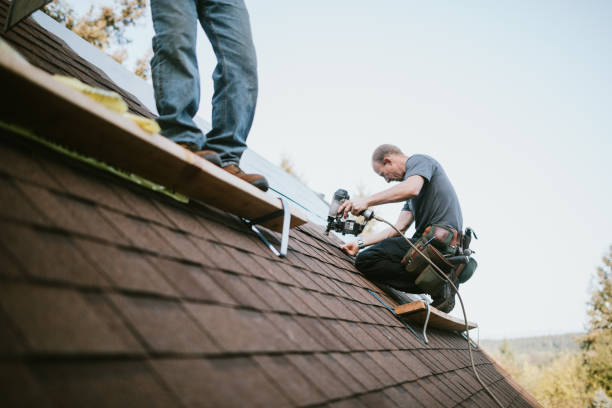
General Contractor Installing New Roof A roofer and crew work on putting in new roofing shingles. Small local business serving local families in Washington State. roof repair stock pictures, royalty-free photos & images

Cost-Effectiveness

  1. Quality Materials at Better Prices: Professionals often have access to high-quality materials at discounted rates through supplier relationships.
  2. Reduced Maintenance Costs: Proper installation leads to fewer repairs down the road.
  3. Warranties: Many contractors provide warranties on their work as well as manufacturer warranties for materials they use — offering financial protection if issues arise later.

Safety Considerations

By entrusting your project to professionals, you avoid potential accidents that could lead not only to injuries but also liability issues as a homeowner.

Efficient Project Management

Project Phase What Professionals Do
Initial Inspection Conduct a thorough evaluation of your roof’s current condition
Resource Allocation Ensure all required tools/materials are available on schedule
Timely Execution Minimize delays with well-organized workflows

This structured approach ensures timely completion while maintaining high standards.

Accountability Through Licensing & Insurance

  • Contractors carry liability insurance covering potential damages during installation.
  • Workers’ compensation protects both employees on-site as well as homeowners from legal complications.

This level of accountability provides peace of mind throughout every step of the project.

Hiring a professional roofing contractor is not just about completing the job—it’s about doing it right while safeguarding your home against future risks like leaks or structural damage caused by inferior workmanship.

The Hidden Risks of Hiring an Unlicensed Roofing Contractor

When it comes to roofing projects, whether it’s a minor repair or a full roof replacement, choosing the right contractor is critical. Homeowners may be tempted to hire an unlicensed roofing contractor due to lower costs or quicker availability, but this decision can come with significant risks. Below are the hidden dangers associated with hiring an unlicensed roofing contractor and why it’s essential to work with a licensed professional.

Potential Legal and Financial Liabilities

  • Non-compliance with Local Building Codes: Licensed contractors must adhere to strict building codes and standards. Unlicensed roofers may cut corners, leading to subpar work that fails inspections or violates local laws.
  • Homeowner Liability for Damages: If an unlicensed contractor causes damage during the project, you may be held financially responsible for repairs since they typically lack comprehensive liability insurance.
  • Injury Claims on Your Property: Many unlicensed roofers do not carry workers’ compensation insurance. If someone gets injured while working on your property, you could face lawsuits or medical bills.

Poor Workmanship and Structural Issues

  1. Premature Roof Failure: Improper installation techniques can shorten your roof’s lifespan significantly, resulting in costly repairs or replacements down the line.
  2. Leaks and Water Damage: Faulty workmanship often leads to leaks that compromise your home’s structural integrity over time.
  3. Material Mishandling: Licensed contractors are trained in handling various roofing materials properly, ensuring durability and performance.

Limited or Nonexistent Recourse

  • No Warranty Protection: Most reputable roofing companies offer warranties on their labor and materials, which provide homeowners peace of mind. Unlicensed contractors rarely provide such guarantees.
  • Difficulty Filing Complaints: Licensed contractors are regulated by state boards or agencies, giving you a formal avenue for complaints if issues arise. With unlicensed roofers, there is no governing authority holding them accountable.
  • Challenges in Enforcing Contracts: Hiring someone without proper licensing makes it harder to enforce agreements legally should disputes arise.
Risk Factor Licensed Contractor Unlicensed Contractor
Compliance with Local Building Codes Yes Uncertain
Liability Insurance Provided Rarely Provided
Workers’ Compensation Insurance Provided Rarely Provided
Warranty on Labor Typically Offered Rarely Offered
Adherence to Safety Standards High Low

How Licensing Protects Homeowners

  • Verification of Expertise: To obtain a license, contractors must pass exams covering technical knowledge and demonstrate competency in their field.
  • Insurance Requirements: A license often mandates proof of liability insurance and workers’ compensation coverage.
  • Accountability Measures: Licenses ensure contractors are bound by ethical practices overseen by governing bodies.

Hiring an unlicensed roofer may seem like an easy way to save money upfront but could end up costing you much more in legal fees, property damage repairs, or premature replacements later on. Always prioritize licensed professionals when selecting a roofing contractor for your home improvement needs—your safety and financial security depend on it.

What is a Roofing Contractor and How to Choose the Right One for Your Needs

Understanding the Role of a Roofing Contractor

A roofing contractor provides services such as:
– Roof installation for new construction projects.
– Roof repairs to address leaks, damaged shingles, or structural issues.
– Routine maintenance to extend the lifespan of your roof.
– Roof replacement when an old roof is beyond repair.

They utilize their expertise to assess your roof’s condition and recommend cost-effective solutions tailored to your needs.

Factors to Consider When Choosing a Roofing Contractor

  1. Confirm that the contractor holds valid licenses required by local or state authorities.
  2. Ensure they carry liability insurance and workers’ compensation coverage for protection against potential damages or injuries during the project.
  3. Look for contractors with a proven track record in handling roofing projects similar to yours.
  4. Ask about their experience with specific materials (e.g., asphalt shingles, metal roofing) if you have unique requirements.
  5. Review online ratings and testimonials from previous clients.
  6. Request references directly from the contractor and follow up with past customers regarding their experiences.
  7. A reputable contractor should provide warranties on both labor and materials used in the project.
  8. Understand what each warranty covers before signing an agreement.
  9. Compare estimates from multiple contractors but avoid basing your decision solely on price.
  10. Evaluate what each quote includes—materials, labor costs, timelines—and choose based on overall value rather than cost alone.

Red Flags to Watch For

  • Lack of proper licensing or insurance documentation.
  • Hesitation in providing references or credentials upon request.
  • Unclear pricing structures or requests for large upfront payments.
  • High-pressure sales tactics urging you to sign contracts immediately.

Questions to Ask Potential Contractors

Question Why It Matters
Are you licensed in this state? Ensures compliance with regulations.
Can you provide proof of insurance? Confirms protection against liabilities.
How long have you been in business? Indicates experience level.
What type of warranty do you offer? Details coverage for workmanship/materials.

Hiring the right roofing contractor ensures that your project is completed efficiently and professionally while protecting one of your property’s most valuable assets—the roof over your head. By considering licensing, experience, reputation, warranties, and other factors carefully during your search process, you’ll make a well-informed choice suitable for your specific needs.


Why Hiring a Minneapolis Roofing Company Is Worth the Investment for Your Home


Man worker uses a power drill Man worker uses a power drill to attach a cap metal roofing job with screws. roof repair stock pictures, royalty-free photos & images

When it comes to maintaining or improving your home, the roof is one of the most critical elements to consider. A reliable and durable roof not only protects your home from external damage but also enhances its value. While some homeowners may be tempted to take on roofing projects themselves or hire an inexperienced contractor to save money, investing in professional roofing contractors offers long-term benefits that far outweigh initial costs.

Expertise and Experience

  • Identifying underlying problems beyond visible surface damage.
  • Recommending the right materials based on climate, budget, and design preferences.
  • Utilizing industry-standard techniques for installation or repair.

Their knowledge allows them to address problems efficiently while preventing costly mistakes that could arise from amateur work.

Access to High-Quality Materials

  • Extending the lifespan of your roof.
  • Improving energy efficiency by using modern materials like reflective shingles or insulation systems.
  • Providing enhanced resistance against harsh weather conditions like heavy rain, snow, or strong winds.

By using superior materials, professional contractors ensure a durable and long-lasting roof that ultimately saves you money on future repairs or replacements.

Safety Comes First

Roofing projects can pose significant safety risks if not handled properly. Professional contractors prioritize safety protocols and have the necessary tools and equipment to complete jobs without accidents. They are trained in working at heights and managing hazardous situations effectively. Moreover, hiring professionals prevents homeowners from putting themselves in danger by attempting potentially dangerous DIY repairs.

  • The use of personal protective equipment (PPE), such as harnesses and helmets.
  • Adhering to OSHA (Occupational Safety and Health Administration) guidelines during every stage of the project.
  • Conducting thorough site inspections before starting work to minimize risks.

Warranty Protection

Professional roofing contractors often provide warranties for both labor and materials used during a project. These warranties offer peace of mind by covering potential issues that may arise after installation or repair is completed. With a warranty in place, homeowners know they can rely on their contractor should any unexpected problems occur within a specified time frame.

Warranty Type What It Covers Typical Duration
Manufacturer’s Warranty Defects in roofing materials 10–30 years
Workmanship Warranty Installation errors or labor-related issues 1–10 years (varies by company)

Cost-Efficiency Over Time

  1. Fewer repairs needed thanks to proper installation techniques.
  2. Increased energy efficiency leading to reduced utility bills.
  3. Extended lifespan of your roof due to high-quality workmanship.

Attempting DIY repairs or hiring unlicensed workers may lead to frequent fixes, hidden damage left unattended, and additional expenses down the road—all of which can be avoided with skilled professionals handling your project.

Enhanced Curb Appeal & Property Value

A professionally installed roof contributes significantly toward improving your home’s curb appeal—making it more attractive if you ever decide to sell your property. Prospective buyers often view a well-maintained roof as an indicator that other areas of the house have likely been cared for as well.

Investing in professional services ensures not only durability but also aesthetics tailored specifically for your home’s architectural style—adding both functionality and beauty simultaneously.

By choosing experienced roofing contractors for your next project, you’re making a decision that safeguards your home while delivering value over time—a choice worth every penny spent upfront.

How a Roofing Contractor Minneapolis MN Ensures Safety on Every Job

Safety is a critical aspect of any roofing project, whether it involves installation, repair, or maintenance. Professional roofing contractors understand the inherent risks involved in working at heights and around heavy materials. By adhering to strict safety protocols and leveraging their expertise, these professionals ensure that projects are completed without compromising the well-being of workers and property.

Comprehensive Safety Training

  • Fall prevention techniques: Learning how to use harnesses, guardrails, and other fall protection equipment effectively.
  • Tool usage and handling: Ensuring safe operation of power tools and other equipment commonly used in roofing projects.
  • Hazard identification: Recognizing potential safety risks such as unstable surfaces or inclement weather conditions.
  • Emergency response procedures: Being prepared to handle accidents or unexpected situations quickly and effectively.

This training not only protects workers but also minimizes liability risks for homeowners.

Use of Proper Safety Equipment

  • Hard hats: Protecting against falling debris or accidental impacts.
  • Non-slip footwear: Providing traction on sloped roofs and slippery surfaces.
  • Harnesses and anchor systems: Securing workers when navigating elevated areas.
  • Protective gloves: Safeguarding hands from sharp edges or hazardous materials.

By equipping their teams with the necessary gear, professional roofers create a safer working environment for everyone involved in the project.

Adherence to OSHA Standards

OSHA Standard Description
Fall Protection Mandates proper fall arrest systems for work above 6 feet.
Ladder Safety Requires secure placement of ladders to prevent accidents.
Hazard Communication Ensures clear labeling of hazardous materials.

By adhering to these guidelines, contractors maintain compliance while reducing risk factors.

Site Evaluation Before Work Begins

  1. Inspecting structural stability of the roof.
  2. Identifying overhead electrical lines or obstacles near work areas.
  3. Assessing weather conditions likely to affect job progress.
  4. Planning material storage areas that won’t obstruct movement or pose risks.

A detailed evaluation ensures that all precautions are taken before actual work begins.

Reducing Risks for Homeowners

When homeowners attempt DIY roofing projects without proper experience or knowledge, they expose themselves to unnecessary dangers such as falls or injuries caused by improper tool use. Hiring professional contractors eliminates these risks while providing peace of mind that safety is being upheld throughout every stage of the project.

Investing in skilled professionals who prioritize safety not only protects everyone involved but also ensures high-quality results without putting your home—or anyone’s health—on the line.

How a Roofer Minneapolis MN Team Prioritizes Safety on Every Job

Safety is one of the most critical aspects of any roofing project. Professional roofing contractors place a significant emphasis on maintaining safe practices to protect both their workers and your property. Here’s how they ensure safety is at the forefront of every job.

Comprehensive Training

Professional roofing contractors undergo extensive training to handle various tools, equipment, and materials safely. This training ensures they are well-equipped to manage:
– Working at heights
– Proper use of ladders, scaffolding, and safety harnesses
– Handling heavy or sharp materials like shingles or metal sheets

Their familiarity with safety protocols minimizes the risks that are often associated with roofing work.

Adherence to OSHA Standards

Experienced contractors follow the Occupational Safety and Health Administration (OSHA) guidelines for workplace safety. These standards include:
– Mandating personal protective equipment (PPE), such as helmets, gloves, non-slip boots, and eye protection
– Ensuring proper fall protection systems are in place on steep or elevated surfaces
– Creating a clean and hazard-free work environment

Contractors committed to OSHA compliance demonstrate professionalism while reducing accidents on-site.

Use of Specialized Equipment

Professional roofers bring industry-specific tools designed to enhance safety and efficiency during installation or repairs. Examples include:
| Equipment | Purpose |
|————————-|——————————————-|
| Roof jacks | Provide stable platforms for roof access |
| Safety harnesses | Prevent falls from elevated surfaces |
| Toe boards | Offer traction while walking on roofs |

By using these tools correctly, professional contractors ensure tasks are completed without compromising anyone’s safety.

Proper Risk Assessment Before Starting Work

Safety-conscious roofing contractors conduct a thorough risk assessment before beginning any project. This includes:
1. Inspecting the roof’s condition for weak spots or damage that could compromise worker stability
2. Identifying potential hazards near the workspace, such as power lines or weather concerns
3. Planning traffic patterns around the site for equipment movement

Taking these steps allows them to mitigate risks effectively before starting any physical labor.

Insurance Coverage for Peace of Mind

Another way professionals prioritize safety is by ensuring they have appropriate insurance coverage in place:
Liability Insurance protects homeowners in case their property is inadvertently damaged during work. – Worker’s Compensation ensures that workers injured on-site will have medical costs covered without burdening homeowners financially.

Hiring insured contractors not only protects your property but also demonstrates their accountability toward maintaining a safe working environment.

Top Reasons to Prioritize Safety in Roofing Services Minneapolis MN

When you hire professional roofers who emphasize safety measures:
– You reduce liability risks related to workplace accidents. – You protect your property from accidental damage caused by negligence. – Projects are more likely completed on time without delays due to incidents.

Roofing involves inherent hazards, but expert roofing professionals understand these challenges and address them proactively with proper planning, training, and tools—ensuring your project is as safe as it is successful.

Exploring Warranty and Insurance Benefits for Roof Repair with Trusted Contractors

When hiring a roofing contractor, one of the most critical aspects to consider is the warranty and insurance benefits they provide. These elements not only offer peace of mind but also protect you from unexpected expenses and liabilities in the future. This section delves into why warranties and insurance are essential when working with professional roofing contractors.

Types of Warranties Offered by Roofing Contractors

Three roofers in protective workwear installing new clay tiles, new clay tiles layer covering Three roofers in protective workwear installing new clay tiles, new clay tiles layer covering, new clay tile roofing roof repair stock pictures, royalty-free photos & images

  • Manufacturer Warranties
    These warranties cover defects in the roofing materials used for your project. If the materials fail prematurely or do not perform as promised, the manufacturer will often provide replacements or reimbursements.
  • Coverage Length: Most manufacturer warranties range between 10-50 years, depending on the material (e.g., asphalt shingles vs. metal roofing).
  • Key Features: Protection against material failures such as cracking, curling, or loss of granules.
  • Workmanship Warranties
    This type of warranty ensures that any errors made during installation will be corrected at no cost to you.
  • Coverage Length: Typically ranges from 1 year to as many as 10 years, depending on the contractor’s policies.
  • Key Features: Covers issues arising from improper installation methods, such as leaks or structural defects.

The Value of Insurance Coverage

Roofing is an inherently hazardous endeavor that can involve risks to both workers and property. Hiring a properly insured contractor ensures that you are protected from financial liabilities during your project.

  • Liability Insurance
    Protects you if your property is damaged during the roofing process (e.g., accidental damage to siding, windows, or landscaping).
  • Workers’ Compensation
    Covers medical expenses and lost wages for workers injured on your property, shielding you from potential lawsuits.
Type of Contractor Insurance What It Covers Why It’s Important
Liability Insurance Property damage caused during work Prevents financial burden for repairs due to accidents
Workers’ Compensation Injuries sustained by workers Protects homeowners from potential legal claims

Why These Benefits Matter

  1. Financial Security
    Warranties and insurance allow homeowners to avoid unexpected costs resulting from defective materials or accidents on-site.
  2. Long-Term Peace of Mind
    Knowing that your roof is covered under a warranty provides confidence that your investment will hold up over time.
  3. Compliance with Local Regulations
    Many local building codes require contractors to carry proper insurance coverage before starting work on residential properties.
  4. Enhanced Resale Value
    Transferable warranties can make your home more attractive to prospective buyers should you decide to sell in the future.

Questions to Ask Your Contractor

  • What specific types of warranties do you provide? Are they transferable?
  • How long does each warranty last? Are there any conditions that void coverage?
  • Can I see proof of liability insurance and workers’ compensation?

By choosing a contractor who prioritizes comprehensive warranty options and adequate insurance coverage, you’ll safeguard both your home’s structural integrity and your financial interests during any roofing project.

Time and Efficiency Advantages of Working with Experienced Roofing Contractors

Hiring experienced roofing contractors offers homeowners a variety of time-saving and efficiency benefits. Roofing projects, whether installations or repairs, require expertise and precision. Professionals not only bring this expertise but also streamline the entire process, ensuring the job is done right the first time.

Faster Project Completion

  • Familiarity with Materials: Professionals know exactly how to handle various roofing materials, minimizing delays caused by errors or improper usage.
  • Streamlined Processes: With clear workflows, they follow specific steps from start to finish without unnecessary pauses.
  • Specialized Equipment: Roofing contractors come equipped with tools that help them work faster and more effectively.

By avoiding trial-and-error approaches, professional roofers ensure that deadlines are met while maintaining quality standards.

Minimizing Weather-Related Risks

  • The risk of unfinished work being exposed to rain or other damaging elements
  • Prolonged disruptions due to poor planning around inclement weather

By completing the work quickly, they ensure your home is protected as soon as possible, even in unpredictable conditions.

Avoiding Costly Delays

Time saved also translates into financial savings. Mistakes made during DIY attempts or by less experienced workers can lead to costly project overruns (both in terms of time and materials). Here’s how professionals help mitigate such risks:
| Issue | DIY/Amateur Work Risk | Professional Contractor Solution | |—————————|————————————-|——————————————| | Improper measurements | Material waste | Accurate calculations prevent overbuying | | Incorrect installations | Frequent repairs | Proper installation guarantees durability | | Lack of permits | Legal fines/delays | Knowledge of local regulations ensures compliance |

Choosing experienced roofers reduces unforeseen expenses and keeps your project within budget.

Effective Workforce Management

  • Each task is handled efficiently by someone well-equipped for it
  • Large-scale jobs are completed faster without compromising quality

Additionally, reputable contractors maintain clear communication with homeowners throughout the process so you’re always informed about progress.

Long-Term Benefits from Quality Workmanship

  • Roof longevity improves due to precise installation techniques
  • Homeowners avoid future disruptions caused by recurring issues

Ultimately, hiring experienced roofing contractors ensures a seamless blend of efficiency and reliability that benefits homeowners both immediately and over time.

Ensuring Proper Installation and Repair Through Skilled Roofing Professionals

Proper installation and repair of a roof are essential for the long-term functionality, safety, and aesthetic appeal of your home. Hiring skilled roofing professionals ensures that the job is done correctly the first time, avoiding costly errors and extending the lifespan of your roof. Below, we’ll explore why professional expertise is critical and what benefits it brings to your home.

The Importance of Proper Installation

  • Weather Resistance: A poorly installed roof can leave your home vulnerable to leaks during heavy rain or windstorms.
  • Energy Efficiency: Correct placement of insulation and materials impacts how well your home regulates internal temperatures.
  • Structural Stability: Incorrect installation may compromise the overall structure, potentially leading to sagging or collapse.

Why Repairs Require Expertise

Roof repairs can be deceptively complex. What might appear to be a minor leak could indicate deeper issues such as water damage, mold growth, or structural decay. Professional roofing contractors have the experience to identify underlying problems that untrained eyes might miss.

  • Accurate Diagnosis: Contractors use advanced tools like moisture meters and infrared cameras to detect hidden damage.
  • Long-Term Solutions: Instead of temporary fixes, professionals address root causes to prevent recurring issues.
  • Safety Measures: Working on roofs can be dangerous. Experts have the proper equipment and training to work safely at heights.

Common Issues That Require Professional Attention

Problem Risks if Left Unaddressed Solution by Professionals
Leaks Water damage, mold growth Locate source; repair damaged areas
Missing Shingles Vulnerability to weather elements Replace shingles with matching materials
Sagging Roof Structural integrity compromised Reinforce or replace weakened sections
Flashing Damage Increased risk of leaks near chimneys Re-seal flashing with durable materials

Benefits of Hiring Skilled Roofing Professionals

  1. Knowledgeable Craftsmanship
    Contractors bring years of training and hands-on experience. They understand how different roofing materials behave under various conditions.
  2. Access to Premium Materials
    Professional contractors often have access to high-quality materials at better prices than homeowners purchasing retail.
  3. Compliance with Building Codes
    A skilled roofer ensures all work complies with local building codes and regulations.
  4. Warranty Coverage
    Most professional installations come with warranties that provide peace of mind in case future issues arise.
  5. Enhanced Curb Appeal & Value
    A well-installed roof enhances your home’s exterior appearance while increasing its market value.

Skilled roofing professionals prioritize quality workmanship alongside customer satisfaction for results you can trust over time. By hiring experts for installations or repairs, you invest in reliable protection for one of your most significant assets—your home.

How Professional Roofing Services Can Increase the Value of Your Home

Investing in your home’s roofing is a critical decision that yields significant benefits, including an increase in property value. A well-maintained, high-quality roof not only enhances your home’s curb appeal but also ensures long-term durability and protection. Below, we’ll explore how professional roofing services can directly impact the value of your home.

Enhanced Curb Appeal

  • Modern Materials and Designs: Contractors often use advanced materials such as architectural shingles or metal roofing to give homes a contemporary look.
  • Color Coordination: Skilled professionals can recommend colors that complement your home’s siding and landscape, creating an aesthetically pleasing appearance.
  • Clean and Uniform Installation: A professionally installed roof looks polished and aligns with the overall aesthetics of the property.

These visual upgrades make your property more attractive to buyers and appraisers alike.

Improved Energy Efficiency

Energy-efficient roofs are increasingly in demand among homeowners looking to reduce utility bills. Professional contractors can install energy-efficient materials like cool roofs or reflective coatings to regulate indoor temperatures effectively. The benefits include:
– Lower heating and cooling costs for homeowners
– Positive environmental impact through reduced energy usage
– Increased buyer interest in homes with eco-friendly features

Such upgrades position your home as both functional and forward-thinking, which adds measurable value during resale.

Longevity and Reduced Maintenance Costs

Feature Benefits Long-Term Value
Durable Materials Fewer repair needs Lower maintenance expenses
Professional Craftsmanship Proper installation reduces risk of damage Increases confidence among potential buyers
Extended Warranties Coverage ensures peace of mind Boosts buyer trust during negotiations

A durable roof backed by expertise translates into less stress for future owners, enhancing market value.

Compliance with Building Codes

  • Proper permits are obtained for all work performed
  • Installations meet safety regulations and zoning requirements
  • Inspections are passed without issue

By addressing these legal aspects proactively, homeowners avoid complications that could devalue their property.

Protection Against Structural Damage

Roofing professionals assess structural integrity before undertaking any project. This proactive approach prevents minor issues from escalating into significant problems that could compromise the home’s foundation or interior spaces over time.

For example: – Addressing small leaks promptly prevents water damage inside walls or ceilings. – Reinforcing weak areas ensures better resistance against weather events like heavy storms or snow loads.

A structurally sound roof reassures potential buyers about their investment’s longevity.

Higher Return on Investment (ROI) During Sale

Roofing Material Average ROI (%) Added Home Value
Asphalt Shingles 60%-65% Moderate
Metal Roofing 70%-75% High
Tile Roofing 55%-60% Moderate-to-high

Professionally installed roofs not only recoup part of their cost but also serve as a key selling point during negotiations with prospective buyers.

Partnering with experienced roofing contractors delivers benefits far beyond aesthetics—it safeguards one of your most valuable assets while increasing its worth in the real estate market.


Common Roofing Problems and How a Minneapolis Roofing Company Can Help


Worker repairing the roof on a construction site. Electric drill used on roof, Roof construction concept. Worker repairing the roof on a construction site. Electric drill used on roof, Roof construction concept. roof repair stock pictures, royalty-free photos & images

Roofing issues can cause significant damage if left unaddressed, leading to costly repairs or even replacement. Understanding common roofing problems and their solutions is essential for homeowners looking to maintain the integrity of their homes. Below, we highlight some prevalent roofing problems and provide actionable steps to address them.

Expert Tips from a Roofer Minneapolis MN to Prevent Leaks and Water Damage

One of the most frequent roofing issues is water leaking into the home, which can lead to mold growth, structural damage, and weakened insulation. Common causes include:
Damaged shingles: Cracked, curling, or missing shingles allow water to penetrate the roof.
Worn flashing: Flashing around chimneys, skylights, and vents can deteriorate over time, creating gaps for moisture intrusion.
Improper installation: Poor workmanship during installation often leads to water penetration.

How to Address It:
– Replace missing or damaged shingles promptly. – Inspect flashing regularly and reseal or replace it as needed. – Hire a qualified roofing contractor to assess the roof for proper installation.

How Clogged Gutters Impact Roofing Services Minneapolis MN

Gutters play a critical role in directing water away from your roof and foundation. When they become clogged with debris like leaves or dirt, water overflows onto the roof surface instead of draining properly.

Solutions:
– Clean gutters at least twice a year — in spring and fall — or more frequently if trees surround your property. – Install gutter guards to prevent debris buildup. – Ensure downspouts are clear and direct water at least 6 feet away from your home’s foundation.

How Poor Ventilation Can Lead to the Need for Roof Repair

Inadequate ventilation can trap heat and moisture in your attic space, speeding up roof deterioration while increasing energy costs. Signs of poor ventilation include:
– Excessive heat buildup in summer months. – Ice dams forming during winter due to uneven temperatures on the roof surface. – Mold or mildew growth inside your attic.

How to Fix It:
| Ventilation Type | Purpose | Suggested Upgrades | |——————-|————————|——————————–| | Ridge vents | Promotes airflow along ridges.| Install ridge vents along peak areas for optimal circulation.| | Soffit vents | Provides intake airflow.| Add soffit vents under eaves where needed.| | Attic fans | Reduces heat/moisture buildup.| Install electric or solar-powered fans.|

4. Storm Damage

Extreme weather events such as hailstorms, strong winds, or heavy snow can wreak havoc on roofs by dislodging shingles or causing structural weaknesses.

Prevention & Solutions:
– Inspect roofs after severe storms for visible damages such as loose shingles. – Trim nearby trees regularly to minimize falling branches during storms. – Invest in impact-resistant shingles if living in areas prone to hail.

5. Aging Roof Materials

Aging roofs are naturally more susceptible to wear-and-tear due simply due aging lifecycle decay overtime esp >15+years old roofs etc

Top Signs You Need a Roofing Contractor Minneapolis MN to Protect Your Home

Your roof is one of the most critical components of your home, offering protection against the elements and contributing significantly to its structural integrity. Over time, roofs naturally wear down and may require replacement to ensure they continue to function properly. Recognizing the top signs of roof damage or wear can help you take timely action before further issues arise. Here are some key indicators that suggest it may be time for a roof replacement.

1. Persistent Leak Issues

While occasional leaks may be repaired, persistent or widespread leaks indicate significant damage that could require a full roof replacement. Common causes of leaks include:
– Cracked or missing shingles.
– Damaged flashing around chimneys or vents.
– Water intrusion in valleys where slopes meet.

If water damage is extensive and has compromised your roof’s underlayment or structure, replacing the entire roof may be more cost-effective than ongoing repairs.

2. Shingle Damage

Inspecting your shingles can provide valuable insight into your roof’s condition. Key warning signs include:
Curling or Buckling Shingles: These often result from aging or prolonged exposure to moisture and heat, reducing their effectiveness.
Missing Shingles: Gaps in your roofing leave vulnerable spots for water intrusion and further damage. – Granule Loss: Check gutters for granules from asphalt shingles. A significant amount of granules in gutters suggests shingles are nearing the end of their lifespan.

3. Age of Your Roof

The age of your roofing material plays an essential role in determining whether a replacement is necessary:
| Roofing Material | Average Lifespan | Replacement Needed? | |———————|———————|———————-| | Asphalt Shingles | 20–25 years | Likely | | Metal Roofing | 40–70 years | Less Likely | | Wood Shake/Shingles| 20–30 years | Possibly | | Slate Roofing | Over 75 years | Rarely |

If your roof has reached or exceeded its expected lifespan, even if it appears in reasonable condition, it is advisable to consult a roofing professional for an inspection.

4. Sagging Rooflines

A sagging roofline is often a red flag indicating structural issues such as weakened decking or compromised support beams due to rot, water damage, or excessive weight (e.g., snow accumulation). Immediate attention is necessary as this can lead to severe safety concerns if left unaddressed.

5. Rising Energy Costs

An inefficient roofing system could force your HVAC system to work harder, leading to increased utility bills over time. Poor insulation and ventilation associated with older roofs contribute significantly to energy inefficiency.

Steps You Can Take

If you’ve noticed one or more of these warning signs, consider these next steps:
1. Schedule an inspection with a licensed roofing contractor. 2. Request multiple estimates for replacement options. 3. Evaluate materials that fit both durability needs and budget constraints. 4. Ensure proper installation by hiring experienced professionals.

Being proactive about replacing an aging or damaged roof not only protects your home from potential water damage but also enhances energy efficiency and increases property value over time—a worthwhile investment for homeowners seeking long-term peace of mind.

How to Choose Quality Roofing Materials for a Long-Lasting Investment

When it comes to roofing, selecting the right materials is essential for ensuring durability, functionality, and aesthetic appeal. A well-chosen roofing material can protect your home from harsh weather conditions, reduce energy costs, and add value to your property. Here’s a comprehensive guide on how to pick high-quality roofing materials for a long-term investment.

Factors to Consider When Choosing Roofing Materials

  1. The local climate plays a significant role in determining the right roofing material.
    • For areas with heavy rainfall or snow, consider materials like metal or asphalt shingles that are moisture-resistant.
    • In regions with high heat or extreme sunlight, clay tiles or cool roofing materials can help reflect sunlight and keep the home cooler.
  2. Determine how much you’re willing to invest upfront versus long-term savings on maintenance and energy costs.
    • Asphalt Shingles: Affordable upfront but may require more frequent replacements.
    • Metal Roofing: Higher initial cost but offers exceptional longevity and minimal maintenance.
    • Slate or Tile Roofing: Premium price point but extremely durable with a lifespan of 50+ years.
  3. Lifespan
    Different materials have varying lifespans: | Material | Average Lifespan | |——————|———————| | Asphalt Shingles | 20-30 years | | Metal | 40-70 years | | Clay Tiles | 50+ years | | Slate | 75-100+ years |
  4. Aesthetic Compatibility
    Choose a material that complements your home’s architectural style:

    • Traditional homes may benefit from slate or wood shakes.
    • Modern designs pair well with metal panels.
    • Mediterranean styles often utilize clay tiles.
  5. Energy Efficiency
    Energy-efficient roofs can lower cooling costs and improve comfort:

    • Look for materials with reflective properties such as cool metal roofing.
    • Certified products like ENERGY STAR-rated shingles provide added efficiency.

Types of Quality Roofing Materials

  • Asphalt Shingles: Cost-effective, widely available, and easy to install; ideal for most homes but may not last as long as premium options.
  • Metal Roofing: Resistant to extreme weather conditions, lightweight, fire-resistant, and available in various styles including standing seam panels or shingles.
  • Clay or Concrete Tiles: Perfect for hot climates due to their thermal properties; however, they require additional structural support due to their weight.
  • Slate Roofing: Highly durable and elegant; ideal for luxury homes but requires expert installation due to its weight and brittleness during handling.
  • Wood Shakes/Shingles: Natural look that blends well with rustic designs; however, they require regular maintenance to prevent rot or insect damage.

Expert Tips on Selecting Long-Lasting Roofing Materials

  1. Always check manufacturer warranties: High-quality materials often come with extended warranties ranging from 25 years to lifetime coverage.
  2. Consult professional roofing contractors: Experienced roofers can guide you in selecting the best materials based on your budget and specific needs.
  3. Consider future maintenance needs: Some materials like slate require minimal upkeep compared to wood shakes which demand routine care.

Investing in quality roofing materials can ultimately save you money by reducing repair costs and increasing energy efficiency over time while also enhancing your home’s overall value.

The Importance of Hiring Professional Roofing Contractors for Your Project

When it comes to installing, repairing, or replacing a roof, one of the most critical decisions you can make is hiring the right roofing contractor. While some homeowners may consider tackling roofing tasks themselves or relying on less-experienced workers to save money, these shortcuts often lead to costly mistakes and potential safety hazards. Below, we discuss why hiring professional roofing contractors is essential and how it can contribute to the success of your project.

Expertise and Experience

Professional roofing contractors bring years of experience and specialized knowledge to every project. Their expertise enables them to:
– Assess the condition of your roof thoroughly.
– Identify hidden issues that could escalate into major problems if left unaddressed.
– Recommend the most suitable solutions based on your specific needs and budget.

For instance, a professional contractor will not only fix visible leaks but also detect underlying causes such as poor ventilation or structural damage.

High-Quality Materials

Reputable roofing contractors have access to high-quality materials that may not be readily available at local hardware stores. They are knowledgeable about:
– Durable shingles and underlayment options suited for your region’s climate.
– Cost-effective materials that provide long-term performance without compromising quality.
– Energy-efficient options that may reduce utility bills over time.

By using superior materials, professionals help ensure the longevity and durability of your roof.

Proper Installation Techniques

One common cause of premature roof failure is improper installation. Professional contractors follow industry best practices and adhere to manufacturer guidelines when installing or repairing roofs. This ensures:
– Proper alignment and attachment of shingles or tiles to withstand weather conditions such as heavy rain or strong winds. – Effective sealing around vents, chimneys, skylights, and other roof penetrations to prevent water infiltration. – Appropriate ventilation systems that maintain airflow under your roof deck, reducing moisture buildup.

Warranty Protection

Another advantage of hiring professional contractors is access to warranties on both labor and materials:
| Type | Coverage Details | Duration |
|——————|——————————————|——————————-|
| Material Warranty| Covers defects in manufacturing | Typically 20–50 years |
| Workmanship Warranty | Covers installation-related issues | Varies by contractor (1–10+ years) |

These warranties provide peace of mind by protecting you from unexpected expenses if issues arise after completion.

Enhanced Safety

Roofing projects involve numerous safety risks, such as working at heights or handling heavy equipment. Professional contractors use appropriate safety measures like harnesses, scaffolding systems, and protective gear during projects.

Additionally:
1. They are insured against accidents or property damage during work. 2. Their teams are trained in compliance with OSHA (Occupational Safety & Health Administration) standards.

Hiring professionals reduces liability risks for homeowners while ensuring a safe work environment.

Cost Efficiency in the Long Run

Although DIY repairs might seem like a cost-saving approach initially, they often result in recurring problems due to inadequate skills or subpar materials used during installation/repairs—leading ultimately towards higher expenses overall when requiring fixes again sooner than expected .

Professional services save money over time because: – Fewer repairs/replacements needed thanks solid outcomes upfront – Long-lasting structures well-built from start onward

Roof repair, worker with white gloves replacing gray tiles or shingles on house with blue sky as background and copy space, Roofing - construction worker standing on a roof covering it with tiles. Roof repair, worker with white gloves replacing gray tiles or shingles on house with blue sky as background and copy space, Roofing - construction worker standing on a roof covering it with tiles. roof repair stock pictures, royalty-free photos & images

Common Mistakes in Roof Installation and How to Avoid Them

Roof installation is a critical process that directly impacts the durability, performance, and safety of your home. Even small errors during installation can result in costly repairs or premature roof failure. Below, we’ll explore some of the most common mistakes in roof installation and actionable tips to avoid them.

1. Choosing Incorrect Roofing Materials

One of the most frequent errors involves selecting inappropriate roofing materials for your climate or structure type.

Common issues:
– Installing materials that do not withstand local weather conditions (e.g., asphalt shingles in high-wind areas).
– Using incompatible materials for the roof slope or pitch.

How to avoid it:
– Consult a professional roofer to identify materials best suited for your geographic location and roof structure. – Invest in high-quality materials that meet industry standards, even if they come at a higher upfront cost.

2. Inadequate Roof Deck Preparation

Installing new roofing without properly preparing the roof deck can lead to poor adhesion, leaks, and structural issues over time.

Key mistakes:
– Failing to replace damaged decking. – Ignoring moisture trapped within the decking.

How to avoid it:
– Inspect the roof deck thoroughly before installing new material. – Replace all rotted or damaged sections. – Ensure the deck is dry and clean before beginning installation.

3. Improper Installation of Flashing

Flashing is essential for preventing water penetration around vulnerable areas like chimneys, vents, and skylights. Poor flashing installation often leads to leaks and water damage.

Common flashing errors:
– Using substandard flashing material. – Incorrectly sealing flashing around protrusions.

How to avoid it:
– Use durable materials such as aluminum or galvanized steel for flashing. – Hire an experienced contractor who understands how to install flashing properly based on manufacturer guidelines.

4. Insufficient Ventilation Systems

A poorly ventilated roof creates heat buildup, accelerates shingle aging, and increases moisture levels that lead to mold growth or wood rot.

Signs of inadequate ventilation include:
– Hot attic spaces during warm months. – Formation of ice dams during winter.

How to avoid it:
– Incorporate intake vents (e.g., soffit vents) and exhaust vents (e.g., ridge vents) into your roofing system design. – Conduct a ventilation review during inspection periods with contractors who specialize in aeration systems.

5. Neglecting Proper Fastening Techniques

Improper use of fasteners—such as nails or screws—compromises both aesthetic appeal and structural integrity over time.

Frequent fastening issues include: – Overdriving nails into shingles, causing damage. – Misaligned fasteners missing key structural components like rafters or trusses.

How to avoid it: – Use corrosion-resistant fasteners recommended by manufacturers. – Ensure nails/screws penetrate fully without tearing adjacent layers unnecessarily while staying aligned symmetrically across surfaces..

| Common Mistake Type | Potential Risk Involved | **Solution Recommendation Suggested Above Mentioned Briefly! **

Everything You Should Know About Roof Leaks and Effective Solutions

Roof leaks are among the most common issues homeowners face, and they can lead to significant damage if ignored. Understanding what causes roof leaks, how to identify them, and the best ways to address them is essential for maintaining a sturdy and functional roof. Below is a comprehensive guide detailing everything you should know about roof leaks.

Common Causes of Roof Leaks

  • Damaged or Missing Shingles: High winds, storms, or aging can cause shingles to crack or fall off, leaving your roof exposed.
  • Clogged Gutters: When gutters are blocked with debris such as leaves or dirt, water may pool on your roof rather than draining properly.
  • Flashing Damage: Flashing is used around chimneys, vents, and skylights to prevent water from seeping through. If flashing becomes loose or corroded, leaks can occur.
  • Improper Roof Installation: Poor workmanship during installation can lead to gaps or weak spots that allow water infiltration over time.
  • Ice Dams in Winter: Ice dams form when heat escapes your home and melts snow on your roof. The melted snow refreezes at the edges of your roofline, creating a barrier that traps water.
  • Cracked Chimney or Vent Seals: Aging sealant around chimneys or vents may crack over time due to weather exposure.

Signs of a Roof Leak

  1. Water stains on ceilings or walls
  2. Dripping water during rainstorms
  3. Mold or mildew growth in the attic
  4. Buckling or warped shingles
  5. Peeling paint near the roofline
  6. Sagging areas on the ceiling

Effective Solutions for Fixing Roof Leaks

  1. Replace cracked or missing shingles with new ones that match your existing roofing material.
  2. Use roofing nails and waterproof sealant to secure new shingles effectively.
  3. Remove old flashing material around chimneys, skylights, and vents.
  4. Install new flashing layers using high-quality adhesives for durability.
  5. Clear debris from gutters regularly using a scoop tool or pressure washer.
  6. Install gutter guards to minimize future blockages.
  7. Apply roofing sealant directly onto small cracks in seals around chimneys and vents.
  8. Ensure proper drying time before exposing sealed areas to rain.
  9. Check attic insulation levels if ice dams have been an issue; adding insulation can prevent heat loss causing snow melt.
  10. Improve ventilation systems as necessary—poor airflow contributes significantly to moisture buildup.
Problem Area Solution Tools/Materials Needed
Missing Shingles Replace with new shingles Roofing nails, hammer
Damaged Flashing Replace old flashing Flashing tape/sealant
Clogged Gutters Clean with tools/guards Gutter scoop/pressure washer
Crack in Sealants Apply new sealant Roofing-grade silicone

Preventative Measures

  • Schedule annual professional inspections for early detection of potential problems.
  • Keep gutters clean year-round by making it part of seasonal maintenance routines.
  • Trim overhanging tree branches that could damage your roof during storms.

Roof leaks don’t have to become a recurring headache if addressed properly through proactive maintenance and timely repairs by either skilled professionals or qualified DIY efforts where appropriate.

Why Proper Roof Construction Matters for Longevity and Safety

Proper roof construction is one of the most critical aspects of building or maintaining a home or commercial property. A well-constructed roof not only ensures protection against external elements but also contributes significantly to the safety, energy efficiency, and long-term durability of the structure. Below, we explore why proper roof construction is essential and what factors need to be considered in creating a reliable roofing system.

Benefits of Proper Roof Construction

  1. A well-built roof can withstand harsh weather conditions, including heavy rain, snow, wind, and extreme temperatures.
  2. It reduces the likelihood of frequent repairs or replacements.
  3. Proper construction minimizes risks such as structural collapses or water damage that could compromise the safety of occupants.
  4. It prevents hazards like mold growth caused by leaks or poor drainage.
  5. Well-insulated roofs with appropriate ventilation help maintain comfortable indoor temperatures.
  6. This reduces energy consumption for heating and cooling systems.
  7. A high-quality roof enhances curb appeal and adds value to your property during resale.
  8. Buyers are more likely to invest in homes with reliable roofing systems.

Key Factors in Proper Roof Construction

  • Material Selection
    Choose roofing materials suitable for your region’s climate. Options include: | Material | Best For | Longevity (Approx.) | |——————–|————————————|———————| | Asphalt Shingles | Versatility & Affordability | 20-30 years | | Metal Roofing | Durability & Energy Efficiency | 40-70 years | | Clay Tiles | Hot Climates & Classic Appearance | Over 50 years | | Slate Roofing | High-End Longevity | Up to 100 years |
  • Proper Installation Techniques
    Only skilled contractors should perform installation to avoid:

    • Incorrect nailing techniques
    • Improper flashing application
    • Inadequate sealing at joints
  • Ventilation System
    Adequate attic ventilation prevents heat buildup and moisture accumulation, protecting the integrity of both your roof and insulation system.
  • Drainage Design
    Ensure gutters and downspouts are correctly installed to direct water away from the structure, thereby preventing pooling or leaks.

Common Issues from Poor Roof Construction

  1. Premature wear-and-tear due to inadequate materials or shoddy workmanship.
  2. Structural vulnerabilities that increase risks during storms or heavy loads like snow accumulation.
  3. Persistent leaks that damage interiors and weaken foundational structures.
  4. Increased energy bills resulting from poor insulation or ventilation issues.

Tips for Ensuring Quality Roof Construction

To guarantee that your new roof serves its purpose effectively: – Work with licensed and experienced roofing contractors who specialize in quality installations. – Conduct regular inspections for early detection of potential issues. – Invest in high-quality materials even if they come at a higher upfront cost—it pays off over time with fewer repairs.

Proper roof construction is not just about aesthetics; it directly impacts the functionality, safety, and longevity of your home. With careful planning, professional expertise, and durable materials, you can ensure that your roofing system stands resilient against time and weather challenges alike.

Why Proper Roof Construction Matters for Longevity and Safety

Proper roof construction is an essential factor in ensuring both the longevity of your roof and the safety of your home or building. A poorly constructed roof can lead to a host of issues, including costly repairs, structural instability, and potential hazards for occupants. Below is an overview of why proper construction matters and key considerations for achieving it.

Key Benefits of Proper Roof Construction

  1. Extended Lifespan:
    When a roof is built correctly using quality materials and techniques, it can withstand harsh weather conditions and last longer without frequent repairs or replacements.
  2. Improved Energy Efficiency:
    Properly constructed roofs include adequate insulation and ventilation systems, which help maintain consistent indoor temperatures. This reduces energy consumption and lowers heating and cooling costs.
  3. Enhanced Safety:
    A well-built roof provides structural stability to the building, minimizing risks such as collapses or falling debris during storms or heavy snowfalls.
  4. Reduced Maintenance Costs:
    Correct construction minimizes defects like leaks, sagging, or uneven surfaces that could lead to expensive repairs over time.

Key Elements of Proper Roof Construction

  • Choose a design that aligns with your local climate conditions (e.g., steep-pitched roofs for areas with heavy snowfall).
  • Ensure proper drainage systems are included to prevent water pooling on flat roofs.
  • Use high-quality roofing materials suitable for your region—e.g., asphalt shingles, metal panels, clay tiles, etc.
  • Invest in durable underlayment to protect against moisture infiltration.
  • Ensure flashing is installed correctly around chimneys, vents, skylights, or any areas prone to leaks.
  • Secure shingles or panels properly to avoid dislodgement during strong winds.
  • Adequate ventilation prevents moisture buildup in the attic, which can cause mold growth or structural damage.
Component Importance Potential Risks if Neglected
High-quality materials Prolongs lifespan; enhances durability Premature wear; frequent replacements
Adequate ventilation Prevents overheating & moisture buildup Mold growth; material degradation
Proper installation Ensures weather resistance & stability Leaks; structural instability

Common Problems Due to Poor Roof Construction

  1. Leaks and Water Damage: Improper sealing around edges or penetrations allows water intrusion.
  2. Premature Aging: Using subpar materials leads to faster wear-and-tear.
  3. Structural Damage: Inadequate framing may result in sagging or collapse under weight stress.
  4. Energy Inefficiency: Lack of insulation causes heat loss in winter and excessive heat gain in summer.

Best Practices for Long-Lasting Roof Construction

  • Work with experienced roofing contractors who adhere to industry standards.
  • Conduct regular inspections post-installation to identify potential issues early.
  • Use certified materials with warranties for added assurance regarding performance.
  • Ensure compliance with local building codes specific to wind resistance, load-bearing capacity, etc.

Proper planning and execution during roof construction ensure not only durability but also peace of mind knowing your property is secure from weather elements and other potential threats over time.


How a Minneapolis Roofing Company Can Enhance and Protect Your Property

Roofing Contractors Replacing Damaged Roofs After a Hail Storm Belmont, North Carolina, USA - June 3, 2018: Roofing contractors replace roofs on residents’ homes in Belmont, North Carolina after a hail storm moved through the area on April 15, 2018. Golfball-sized hail was wide-spread and caused much property damage–especially to roofs. Roofing contractors are working seven days a week in temperatures over 90 degrees to meet demand from homeowners. Even at this rate, it could take several years to replace all of the roofs which received damage from the storm. roof repair stock pictures, royalty-free photos & images


Roofing contractors play a pivotal role in maintaining the structural integrity and aesthetic appeal of your property. Their work goes beyond simply installing or repairing roofs—they provide a comprehensive set of services that enhance your home’s functionality, safety, and value. Below is an overview of how professional roofing contractors contribute to the improvement and protection of your property.

Expert Roof Installation and Replacement by Roofer Minneapolis MN

  • Assessment and Planning: Contractors evaluate factors such as roof size, slope, weather conditions, and material preferences to recommend the best options for your property.
  • Material Selection: They help homeowners choose from materials like asphalt shingles, metal roofing, tile, or slate based on their budget, durability needs, and aesthetic preferences.
  • Proper Installation: Using professional tools and techniques ensures the roof not only looks great but also provides long-term protection against weather conditions.

Roofing Services Minneapolis MN: Inspections and Maintenance

  • Leaks
  • Cracks or missing shingles
  • Weak spots in structural components
  • Mold or water damage

They will also perform routine maintenance tasks such as cleaning gutters, sealing cracks, checking flashing around chimneys or vents, and replacing damaged materials.

Expert Roof Repair for Storm Damage

  1. Conducting an initial damage assessment.
  2. Filing insurance claims on your behalf.
  3. Repairing leaks, holes, broken tiles/shingles, or any compromised areas using industry-best practices.

Energy Efficiency Improvements

  • Installing reflective coatings or materials that reduce heat absorption.
  • Ensuring proper insulation under the roof decking.
  • Sealing gaps to prevent air leaks.

These improvements can lower energy bills while maintaining a comfortable indoor environment year-round.

Enhancing Curb Appeal

Roofs are one of the most visible parts of any home. A worn-out roof detracts from curb appeal while a new or well-maintained one adds visual charm. Contractors assist in selecting designs that complement your home’s architecture while using modern materials available in various colors and textures for added aesthetic value.

Table: Key Services Provided by Roofing Contractors

Service Area Description
Roof Installation Full installation of new roofing systems tailored to specific needs
Repairs Fixing leaks, cracks, missing shingles; addressing storm-related damage
Inspections & Maintenance Identifying potential issues; cleaning gutters; routine upkeep
Energy Efficiency Upgrades Adding insulation; sealing air leaks; installing reflective materials
Aesthetic Improvements Helping with design choices; enhancing curb appeal

Expertise You Can Trust

Hiring certified roofing contractors ensures that all projects adhere to local building codes while maintaining high standards of craftsmanship. Their expertise guarantees results that protect against harsh weather conditions while boosting overall property value.

When you invest in experienced professionals for roofing solutions—whether it’s repair after a storm or an upgrade for improved energy efficiency—you’re making an investment in both safety and quality for years ahead. Always opt for licensed professionals who offer warranties on their workmanship for added peace of mind.

Expert Tips from a Roofing Contractor Minneapolis MN: Restoring Your Roof After Severe Storms

Severe weather, such as heavy rain, hailstorms, strong winds, and snowstorms, can wreak havoc on your roof. Damage caused by these elements often requires professional assessment and repairs to ensure the structural integrity of your home. Here’s how roofing contractors step in to restore and protect your property after a storm.

Assessing Damage Thoroughly

The first step roofing contractors take is a thorough inspection of the roof. This process involves:
Examining shingles for cracks, curling, or missing pieces.
Checking for leaks or water intrusion in the attic or ceiling.
– Inspecting flashing, gutters, and vents for signs of damage or displacement.
– Identifying potential structural issues caused by fallen debris like tree branches.

A detailed inspection helps determine whether the roof requires minor repairs or a full replacement.

Temporary Solutions to Prevent Further Damage

Before implementing permanent repairs, roofing contractors often apply temporary solutions to safeguard your home from further exposure to the elements:
Tarp Installation: Covering damaged areas with tarps prevents leaks and additional water damage while allowing time for proper planning of repairs.
Sealing Cracks: Cracked shingles or minor punctures may be temporarily sealed until full replacements can be made.

These measures help homeowners avoid additional costs while preparing for long-term fixes.

Implementing Long-Term Repairs

  1. Shingle Replacement: Damaged or missing shingles are replaced with high-quality

Why You Should Hire Professional Roofing Contractors for Home Improvement Projects

When it comes to home improvement projects, roofing is one of the most critical aspects to address. A durable and well-constructed roof not only protects your home from the elements but also enhances its overall aesthetic and value. Hiring professional roofing contractors ensures that your project is completed with precision, quality, and long-term reliability.

Expertise and Knowledge

Professional roofing contractors bring years of expertise and specialized knowledge to the table. They understand:
– Various roofing materials (e.g., asphalt shingles, metal, tile, etc.)
– Different installation techniques tailored to specific roof types
– Local building codes and regulations

With this knowledge, they can provide recommendations on which materials are best suited for your location, climate, and budgetary constraints. They also anticipate potential challenges before they become costly problems.

Benefits of Professional Installation

Hiring experts provides a range of benefits that directly impact the success of your home improvement project:
1. Superior Workmanship: Proper installation techniques ensure a longer lifespan for your roof. Misaligned shingles or improperly sealed joints could lead to leaks and water damage down the road.
2. Safety Considerations: Roofing installation involves working at heights with heavy tools and materials—professionals are trained in safe practices to minimize risks during the process.
3. Time Efficiency: Professionals complete projects on schedule without compromising quality, saving you time compared to attempting DIY solutions or inexperienced labor.

Cost Savings in the Long Run

While hiring professionals may seem more expensive upfront compared to DIY or unlicensed contractors, it often proves cost-effective over time:
Reduced Repairs: A properly installed roof requires fewer repairs and maintenance costs over its lifespan. – Warranty Protection: Reputable contractors often provide warranties on both labor and materials, giving you peace of mind for years after the project is complete. – Energy Efficiency: High-quality roofing installations can improve insulation, reducing heating and cooling costs.

Tools and Technology

Professional contractors have access to advanced tools and technologies that allow them to tackle complex issues with greater efficiency:
| Tools | Benefits |
|——————|———————————————|
| Infrared Scanners | Detect hidden moisture or leaks early |
| Pneumatic Nailers | Faster installation with secure fastenings |
| Safety Harnesses | Ensures worker safety during installations |

These tools ensure precision while preventing further structural damage or unforeseen complications.

Construction worker is inspecting roof tile cracked. Construction worker is inspecting roof tile cracked. roof repair stock pictures, royalty-free photos & images

Elevating Property Value

A well-maintained roof reflects positively on property value during resale or appraisal processes. Stylish upgrades like architectural shingles or energy-efficient coatings can boost curb appeal significantly while making your home more attractive to potential buyers.

By hiring experienced professionals for your roofing needs, you ensure expert craftsmanship while protecting your investment over time. With their skills, resources, and commitment to excellence, professional roofing contractors play an indispensable role in achieving successful home improvement outcomes.

The Role of Roofing Contractors in Identifying and Resolving Gutter Issues

Gutters play a crucial role in protecting your property from water damage. They channel rainwater away from the foundation, walls, and roof, preventing issues such as leaks, mold growth, and structural deterioration. However, gutters can develop problems over time due to debris buildup, wear and tear, or improper installation. This is where professional roofing contractors step in to identify and resolve gutter-related issues effectively.

Common Gutter Problems

  • Clogged Gutters: Leaves, twigs, and debris often accumulate in gutters, blocking the flow of water. This can lead to overflowing water that damages siding or causes erosion near the foundation.
  • Sagging or Loose Gutters: Over time, gutters can pull away from the roofline due to improper installation or the weight of accumulated debris. This compromises their ability to direct water effectively.
  • Leaking Gutters: Cracks or holes in your gutter system allow water to leak through instead of being directed properly.
  • Improper Slope: If gutters are not installed at the correct angle (slope), rainwater will not drain efficiently toward downspouts.
  • Rust or Corrosion: Metal gutters can rust over time if they are not maintained properly or if protective coatings wear off.

How Roofing Contractors Address These Issues

  1. Conduct a detailed inspection of your gutter system.
  2. Identify visible blockages, cracks, sagging sections, and other problem areas.
  3. Assess whether gutter damage is contributing to broader roofing concerns such as leaks or moisture infiltration.
  4. Remove accumulated leaves and debris manually or using specialized tools.
  5. Flush out downspouts to ensure unobstructed drainage.
  6. Patch small leaks with sealants designed for long-lasting performance.
  7. Reattach loose sections securely using brackets or screws.
  8. Correct improper slopes by adjusting hangers for better drainage efficiency.
  9. Suggest full replacement for severely damaged systems that cannot be repaired cost-effectively.
  10. Provide options for durable materials like aluminum or vinyl based on your budget.
  11. Install gutter guards to minimize future clogging.
  12. Schedule periodic cleaning and inspections throughout the year.

Benefits of Professional Gutter Services

  • Enhanced protection against water damage by ensuring proper drainage functionality.
  • Longer lifespan for both your roof system and foundation with preventive care measures.
  • Expert advice on choosing high-quality materials suited for your local climate conditions.
Service Frequency Purpose
Gutter Cleaning Twice yearly Prevent clogs & maintain flow
Inspection & Adjustments Annually Identify early signs of damage
Gutter Guard Installation As needed Reduce debris buildup

By proactively maintaining your gutters with help from skilled roofing professionals, you reduce costly repairs while improving overall property health. Properly functioning gutters protect every part of your home—from its roofline down to its foundation—making their upkeep an essential aspect of home maintenance plans.

How Roofing Contractors Help Maximise Property Value with Quality Upgrades

When it comes to increasing the value of your property, the role of roofing contractors is often underestimated. A well-maintained, upgraded roof not only enhances curb appeal but also provides long-term benefits that buyers and homeowners alike value highly. Below, we explore how roofing contractors contribute to property value through quality upgrades.

Improving Curb Appeal with Modern Roof Designs

  • Architectural shingles: These provide depth and texture to your roof while maintaining durability.
  • Metal roofs: Sleek and modern, metal roofing is both visually appealing and energy-efficient.
  • Clay or slate tiles: Known for their timeless beauty, these materials can elevate a home’s appearance dramatically.

An attractive roof signals that the home has been well cared for, making it more desirable on the market.

Increasing Energy Efficiency

  • Cool roofs with reflective surfaces that lower air conditioning costs.
  • Proper insulation installed under roofing materials to retain indoor temperatures year-round.

A more energy-efficient home will save future owners money on utility bills, which can significantly boost your property’s resale value.

Resolving Existing Issues

  • You maintain the integrity of other parts of the home (e.g., walls, ceilings).
  • Buyers are less likely to negotiate for lower prices due to repair needs.

A trouble-free roof ensures peace of mind for prospective owners.

Offering Long-Term Durability with Premium Materials

  • Resistance against severe weather conditions like heavy rain or wind.
  • Lower maintenance costs over time.

Investing in high-quality materials today minimizes upkeep costs tomorrow—an attractive prospect for any potential buyer considering longevity when purchasing a property.

Material Type Lifespan (Years) Cost Efficiency Popularity
Asphalt Shingles 20–30 Moderate High
Metal Roofs 40–70 High Increasing
Slate Tiles 50–100 High Niche Luxury

Adding Functional Upgrades

  • Skylights: Allow natural light into living spaces, reducing reliance on artificial lighting.
  • Solar panels: Installed seamlessly into roofing systems to generate renewable energy.

Functional features demonstrate forward-thinking investments that cater to modern lifestyle preferences.

The Importance of Professional Expertise

Attempting DIY roofing projects often leads to subpar results or safety risks. Hiring expert contractors ensures upgrades are done efficiently while adhering to local building codes and regulations. Additionally, professionals provide detailed warranties covering both labor and materials—offering added assurance for your investment.

By leveraging their expertise in design choices, material selection, and installation practices, professional roofing contractors deliver upgrades that significantly enhance property value while ensuring long-term performance and reliability.

Ensuring Longevity: How Expert Roofing Contractors Build Roofs That Last

Use of High-Quality Materials

  • Asphalt Shingles: Cost-effective and resistant to various weather conditions.
  • Metal Roofs: Long-lasting and recyclable with excellent resistance to extreme temperatures.
  • Clay Tiles: Known for their durability in hot climates as well as their aesthetic appeal.
  • Slate Roofing: Extremely durable but heavy; ideal for long-term performance.

By using quality materials from reputable manufacturers, contractors build roofs that can withstand harsh environmental factors while requiring minimal maintenance.

Proper Installation Techniques

  1. Appropriate Underlayment Installation
    The underlayment acts as a moisture barrier beneath the outer roofing material. Proper placement prevents leaks and enhances water resistance.
  2. Accurate Flashing Placement
    Flashing around chimneys, vents, or skylights prevents water infiltration at vulnerable joints.
  3. Adequate Ventilation Systems
    By installing ridge vents or soffit vents, contractors ensure proper airflow within the attic space, preventing issues like mold growth or heat buildup.
  4. Attention to Roofing Angles and Slope
    The pitch of the roof is critical for shedding water effectively. Miscalculations can lead to pooling water and eventual structural damage.

Routine Inspections During Construction

  • Verifying structural integrity before laying shingles or tiles.
  • Checking for any gaps or inconsistencies in waterproof barriers.
  • Testing flashing alignment around protrusions like chimneys or dormers.

These inspections reduce the risk of errors that could lead to premature failure down the road.

Regular Maintenance Recommendations

  1. Cleaning debris from gutters and downspouts regularly.
  2. Scheduling annual inspections for early detection of wear or damage.
  3. Trimming overhanging tree branches that could harm shingles during storms.
  4. Addressing minor repairs immediately before they escalate into costly issues.

Table: Comparison of Roofing Material Lifespan

Material Average Lifespan (Years) Maintenance Needs Suitable Climate
Asphalt Shingles 20–30 Moderate Most climates
Metal Roofing 40–70 Low Cold/Hot climates
Clay Tiles 50+ Low Warm/Dry climates
Slate Roofing 75–100 Very Low Cold/Wet conditions

This table highlights how choosing durable materials impacts long-term performance when paired with professional expertise.

Expert roofing contractors enhance longevity by combining precision craftsmanship with durable materials and proactive solutions for maintenance needs over time. A thoughtfully designed roof not only protects your home but also represents a wise investment in property value retention over decades—reflecting both quality workmanship and strategic planning decisions made during construction phases.​