
When hiring a roofing contractor, one of the most important considerations is whether they are licensed. Licensing is not merely a bureaucratic formality but a safeguard for homeowners to ensure quality work and legal compliance. Here’s why licensing matters and how it protects you as a homeowner.
What Does Roofing Contractor Licensing Entail?
- Passing written exams that test knowledge of building codes, safety protocols, and roofing practices.
- Providing proof of insurance, such as liability insurance and workers’ compensation coverage.
- Demonstrating experience through certifications or verified work history in the roofing industry.
- Complying with local building codes to ensure their work aligns with safety standards.
The specifics of licensing regulations can vary depending on the state or municipality, so it’s always essential to research your area’s requirements when vetting contractors.
The Importance of Licensing in Roofing Services Minneapolis MN for Homeowners
- Quality Assurance: Licenses often indicate that the contractor has undergone formal training and testing, which ensures they are knowledgeable about proper roofing techniques and materials.
- Adherence to Building Codes: Licensed roofers understand local regulations and will ensure that your project complies with all applicable codes.
- Liability Protection: A licensed contractor is typically required to carry liability insurance, which protects you from unexpected costs if property damage or accidents occur during the project.
- Accountability & Recourse: If something goes wrong with an unlicensed contractor, you may have limited options for resolving disputes or seeking compensation. Licensed roofers are regulated by governing bodies that can intervene if necessary.
Risks of Hiring an Unlicensed Roofer
| Risks | Potential Impact |
| Lack of Insurance Coverage | Homeowners could be financially liable for worker injuries or property damage. |
| Subpar Workmanship | Untrained workers may deliver poor results that require expensive repairs later. |
| Legal Consequences | Work completed without proper permits could lead to fines or forced removal. |
| No Warranty Protection | Unlicensed contractors rarely offer guarantees on their workmanship or materials. |
How Can Homeowners Verify a Roofer’s License?
- Ask the roofer directly for their license number and check its validity through your state’s contractor licensing agency website.
- Look up reviews online for additional confirmation of their professional reputation.
- Request proof of insurance—this should include general liability coverage as well as workers’ compensation where required.
Hiring a licensed roofer like https://www.minneapolisroofingcompany.net is not just about following regulations; it’s about ensuring peace of mind for one of your home’s most critical structures—the roof over your head. By prioritizing licensing during your selection process, you’re taking an essential step toward protecting both your investment and safety as a homeowner.
Key Factors to Consider When Hiring a Minneapolis Roofing Company: Licensed vs. Unlicensed Contractors
When planning a roofing project, choosing the right contractor is one of the most critical decisions you will make. One major consideration is whether to hire a licensed or unlicensed roofing contractor. To make an informed decision, it’s essential to understand the key differences between these two options and what they mean for your project. Below, we examine factors like qualifications, legal requirements, and potential risks.
Professional Standards for Hiring a Roofer Minneapolis MN
Licensed roofing contractors are required to meet specific criteria established by state or local authorities. These typically include:
– Formal training in roofing practices and safety protocols
– Passing exams that test knowledge of building codes and industry standards
– Proof of insurance, including liability coverage and workers’ compensation
– Compliance with local laws, such as obtaining necessary permits for projects
On the other hand, unlicensed contractors may not have undergone any formal vetting process. This could result in inconsistent quality of work and a lack of accountability if issues arise.
Why Licensing Matters
- Code Compliance: Licensed contractors understand local building codes and ensure your roof meets all regulatory standards.
- Insurance Protection: Licensed professionals carry liability insurance that protects homeowners from financial liabilities caused by property damage or injuries on-site.
- Accountability: Licensed roofers are held accountable by licensing boards or governing authorities, offering homeowners recourse in case of disputes or poor workmanship.
- Proper Permits: They handle necessary permits for your project, ensuring legality during construction.
In contrast, working with an unlicensed contractor exposes you to risks such as non-compliance with building codes or lack of insurance coverage.
Understanding Roof Repair Cost Differences
| Factor | Licensed Contractors | Unlicensed Contractors |
| Quality of Materials | High-quality materials used | May cut costs with inferior materials |
| Risk | Low risk due to insurance | Higher risk (no insurance) |
| Project Cost | Transparent pricing | Lower upfront cost but higher long-term risks (repairs/rework) |
While hiring an unlicensed contractor may save money upfront, any mistakes made during installation could lead to costly repairs down the road.
Legal Implications
In many states, hiring an unlicensed roofer is illegal for certain types of projects exceeding specified monetary thresholds. If issues arise—such as structural defects—it could leave you without protection from homeowner’s insurance claims because insurers often require work done by licensed professionals.
Additionally: – You may face fines for using an unlicensed worker. – Warranty protections offered by manufacturers could be voided if installation was performed by someone without proper credentials.
Making the Right Choice
When deciding between licensed and unlicensed roofing contractors, keep in mind that your home is one of your most significant investments. Prioritizing quality workmanship over immediate cost savings can prevent future problems such as leaks, structural damage, or legal disputes.
Key takeaways when hiring a roofing contractor: – Verify their license status through state licensing boards. – Confirm adequate insurance coverage before signing contracts. – Be wary of bids significantly lower than market rates—they might signal shortcuts in materials or labor quality.
Hiring a licensed professional isn’t just about following regulations; it’s about safeguarding your home while ensuring peace of mind throughout the duration of your project.
The Importance of Hiring a Professional Roofing Contractor for Your Project
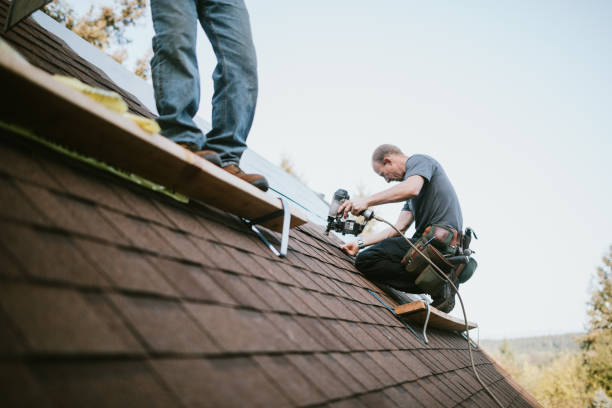
When it comes to roofing projects, hiring a professional roofing contractor is an essential decision that directly impacts the quality, durability, and safety of your roof. A professional contractor brings expertise, experience, and accountability to the table, ensuring your project is completed effectively and efficiently. Below, we explore why working with a professional roofer matters and how they add value to your investment.
Expertise and Knowledge
- Material Selection: Understanding which materials (asphalt shingles, metal panels, clay tiles) are best suited for your region’s climate or architectural style.
- Building Codes Compliance: Ensuring that all work adheres to local building codes and regulations.
- Proper Installation Techniques: Following industry-recognized standards for secure installations that prevent leaks or future structural issues.
A skilled contractor minimizes errors during the project, saving you time and money in the long run.
Cost-Effectiveness
- Quality Materials at Better Prices: Professionals often have access to high-quality materials at discounted rates through supplier relationships.
- Reduced Maintenance Costs: Proper installation leads to fewer repairs down the road.
- Warranties: Many contractors provide warranties on their work as well as manufacturer warranties for materials they use — offering financial protection if issues arise later.
Safety Considerations
- Use of personal protective equipment (PPE) like harnesses or helmets.
- Rigorous adherence to Occupational Safety & Health Administration (OSHA) standards during work.
- Proper handling of heavy materials and tools at height.
By entrusting your project to professionals, you avoid potential accidents that could lead not only to injuries but also liability issues as a homeowner.
Efficient Project Management
| Project Phase | What Professionals Do |
| Initial Inspection | Conduct a thorough evaluation of your roof’s current condition |
| Resource Allocation | Ensure all required tools/materials are available on schedule |
| Timely Execution | Minimize delays with well-organized workflows |
This structured approach ensures timely completion while maintaining high standards.
Accountability Through Licensing & Insurance
- Contractors carry liability insurance covering potential damages during installation.
- Workers’ compensation protects both employees on-site as well as homeowners from legal complications.
This level of accountability provides peace of mind throughout every step of the project.
Hiring a professional roofing contractor is not just about completing the job—it’s about doing it right while safeguarding your home against future risks like leaks or structural damage caused by inferior workmanship.
The Hidden Risks of Hiring an Unlicensed Roofing Contractor
When it comes to roofing projects, whether it’s a minor repair or a full roof replacement, choosing the right contractor is critical. Homeowners may be tempted to hire an unlicensed roofing contractor due to lower costs or quicker availability, but this decision can come with significant risks. Below are the hidden dangers associated with hiring an unlicensed roofing contractor and why it’s essential to work with a licensed professional.
Potential Legal and Financial Liabilities
- Non-compliance with Local Building Codes: Licensed contractors must adhere to strict building codes and standards. Unlicensed roofers may cut corners, leading to subpar work that fails inspections or violates local laws.
- Homeowner Liability for Damages: If an unlicensed contractor causes damage during the project, you may be held financially responsible for repairs since they typically lack comprehensive liability insurance.
- Injury Claims on Your Property: Many unlicensed roofers do not carry workers’ compensation insurance. If someone gets injured while working on your property, you could face lawsuits or medical bills.
Poor Workmanship and Structural Issues
- Premature Roof Failure: Improper installation techniques can shorten your roof’s lifespan significantly, resulting in costly repairs or replacements down the line.
- Leaks and Water Damage: Faulty workmanship often leads to leaks that compromise your home’s structural integrity over time.
- Material Mishandling: Licensed contractors are trained in handling various roofing materials properly, ensuring durability and performance.
Limited or Nonexistent Recourse
- No Warranty Protection: Most reputable roofing companies offer warranties on their labor and materials, which provide homeowners peace of mind. Unlicensed contractors rarely provide such guarantees.
- Difficulty Filing Complaints: Licensed contractors are regulated by state boards or agencies, giving you a formal avenue for complaints if issues arise. With unlicensed roofers, there is no governing authority holding them accountable.
- Challenges in Enforcing Contracts: Hiring someone without proper licensing makes it harder to enforce agreements legally should disputes arise.
| Risk Factor | Licensed Contractor | Unlicensed Contractor |
| Compliance with Local Building Codes | Yes | Uncertain |
| Liability Insurance | Provided | Rarely Provided |
| Workers’ Compensation Insurance | Provided | Rarely Provided |
| Warranty on Labor | Typically Offered | Rarely Offered |
| Adherence to Safety Standards | High | Low |
How Licensing Protects Homeowners
- Verification of Expertise: To obtain a license, contractors must pass exams covering technical knowledge and demonstrate competency in their field.
- Insurance Requirements: A license often mandates proof of liability insurance and workers’ compensation coverage.
- Accountability Measures: Licenses ensure contractors are bound by ethical practices overseen by governing bodies.
Hiring an unlicensed roofer may seem like an easy way to save money upfront but could end up costing you much more in legal fees, property damage repairs, or premature replacements later on. Always prioritize licensed professionals when selecting a roofing contractor for your home improvement needs—your safety and financial security depend on it.
What is a Roofing Contractor and How to Choose the Right One for Your Needs
Understanding the Role of a Roofing Contractor
A roofing contractor provides services such as:
– Roof installation for new construction projects.
– Roof repairs to address leaks, damaged shingles, or structural issues.
– Routine maintenance to extend the lifespan of your roof.
– Roof replacement when an old roof is beyond repair.
They utilize their expertise to assess your roof’s condition and recommend cost-effective solutions tailored to your needs.
Factors to Consider When Choosing a Roofing Contractor
- Confirm that the contractor holds valid licenses required by local or state authorities.
- Ensure they carry liability insurance and workers’ compensation coverage for protection against potential damages or injuries during the project.
- Look for contractors with a proven track record in handling roofing projects similar to yours.
- Ask about their experience with specific materials (e.g., asphalt shingles, metal roofing) if you have unique requirements.
- Review online ratings and testimonials from previous clients.
- Request references directly from the contractor and follow up with past customers regarding their experiences.
- A reputable contractor should provide warranties on both labor and materials used in the project.
- Understand what each warranty covers before signing an agreement.
- Compare estimates from multiple contractors but avoid basing your decision solely on price.
- Evaluate what each quote includes—materials, labor costs, timelines—and choose based on overall value rather than cost alone.
Red Flags to Watch For
- Lack of proper licensing or insurance documentation.
- Hesitation in providing references or credentials upon request.
- Unclear pricing structures or requests for large upfront payments.
- High-pressure sales tactics urging you to sign contracts immediately.
Questions to Ask Potential Contractors
| Question | Why It Matters |
| Are you licensed in this state? | Ensures compliance with regulations. |
| Can you provide proof of insurance? | Confirms protection against liabilities. |
| How long have you been in business? | Indicates experience level. |
| What type of warranty do you offer? | Details coverage for workmanship/materials. |
Hiring the right roofing contractor ensures that your project is completed efficiently and professionally while protecting one of your property’s most valuable assets—the roof over your head. By considering licensing, experience, reputation, warranties, and other factors carefully during your search process, you’ll make a well-informed choice suitable for your specific needs.
- Why Hiring a Licensed Roofing Contractor Minneapolis MN Matters for Homeowners
- Why Hiring a Minneapolis Roofing Company Is Worth the Investment for Your Home
- Common Roofing Problems and How a Minneapolis Roofing Company Can Help
- How a Minneapolis Roofing Company Can Enhance and Protect Your Property
- 7 Things to Evaluate When Comparing Roof Estimates from a Minneapolis Roofing Company
- How a Roofing Contractor Minneapolis MN Can Help Prevent Weather Damage to Your Roof